Trading the CXMT IPO: The Definitive Guide to Pre-IPO Markets

July 15, 2026
By Hyperdash
ChangXin Memory Technologies (CXMT) is scheduled to list on the Shanghai Stock Exchange on July 27, 2026, in what is poised to be Asia's largest IPO of the year.
Published
July 15, 2026
Author
Hyperdash
Reading time
8 min read
Category
Market Analysis
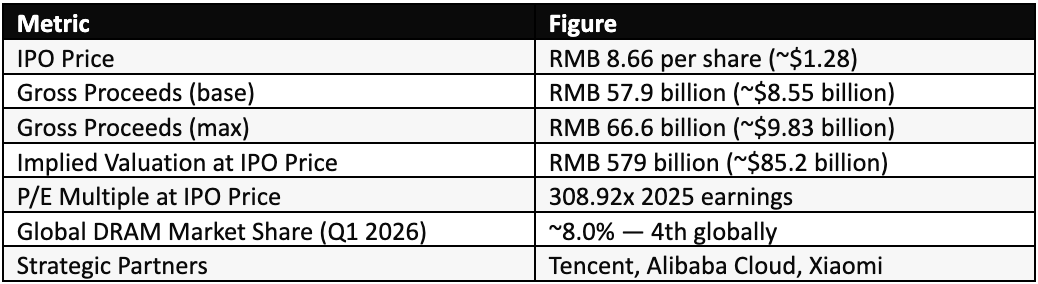
The world's fourth-largest dynamic random-access memory (DRAM) manufacturer is going public at an implied valuation of approximately $85.2 billion. Yet, in the pre-IPO perpetual futures market, early trading has implied a valuation nearing $500 billion. This massive premium highlights a core tension: the intersection of extreme access scarcity for global market participants, intense artificial intelligence (AI) sector sentiment, and the unique mechanics of synthetic derivatives.
Through builder-deployed how perpetual futures differ from CFDs — and understanding how perpetual futures differ from CFDs is essential context for anyone coming from a traditional brokerage background. — and understanding how perpetual futures differ from CFDs is essential context for anyone coming from a traditional brokerage background., traders are accessing synthetic exposure to CXMT's valuation weeks before traditional equities markets open. This definitive guide breaks down the fundamental case for CXMT, the geopolitical context driving its growth, the mechanics of pre-IPO perpetuals, and the execution framework required to trade this event on Hyperdash., traders are accessing synthetic exposure to CXMT's valuation weeks before traditional equities markets open. This definitive guide breaks down the fundamental case for CXMT, the geopolitical context driving its growth, the mechanics of pre-IPO perpetuals, and the execution framework required to trade this event on Hyperdash.
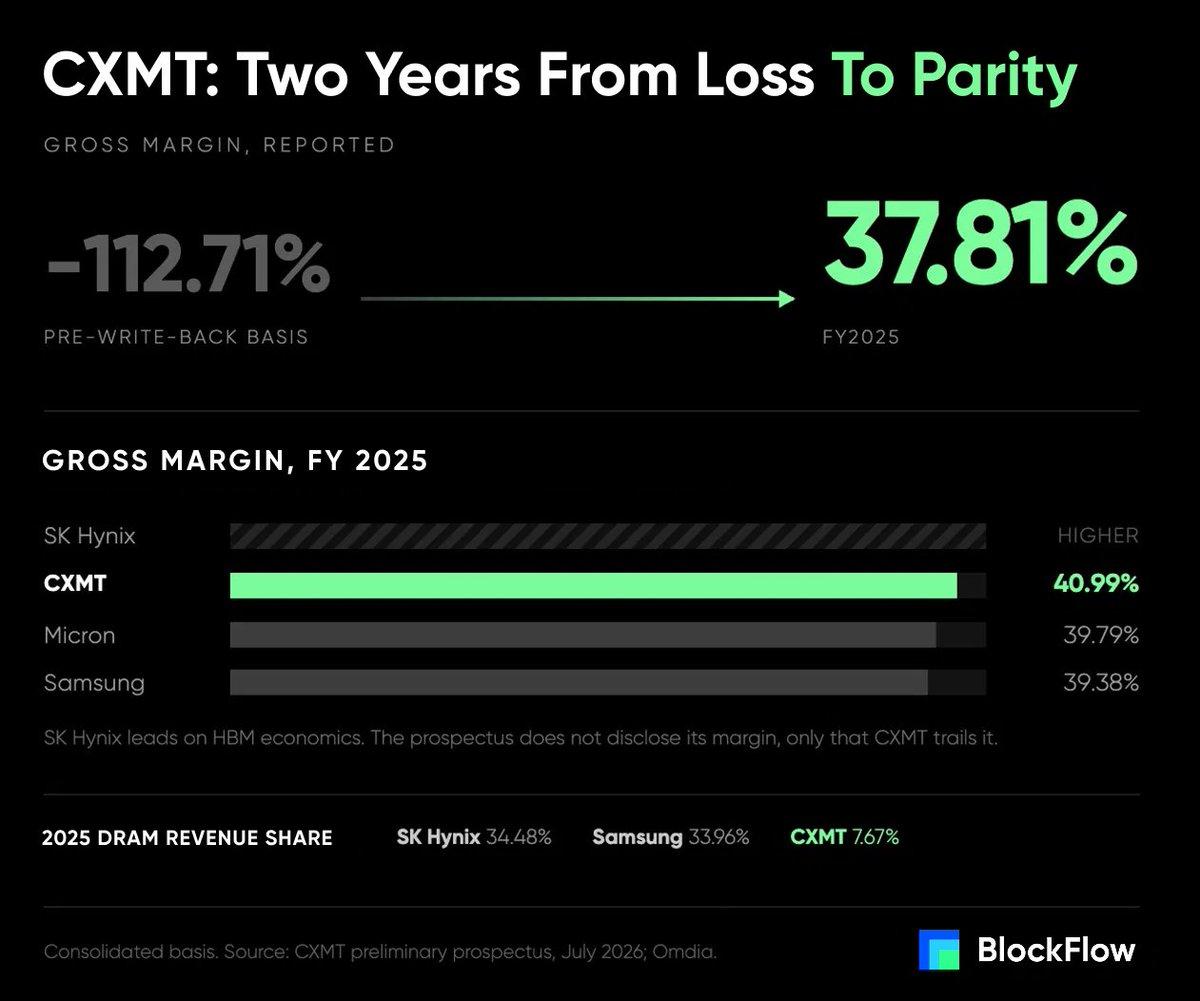
"CXMT is China's largest DRAM producer and ranked fourth globally by sales in the fourth quarter of 2025, when it held a 7.67 per cent share of the market." South China Morning Post, July 15, 2026
The Fundamentals: What is CXMT?
Founded in 2016 and based in Hefei, China, ChangXin Memory Technologies is the centerpiece of Beijing's push for domestic semiconductor self-sufficiency. The company is China's largest producer of DRAM chips, which provide essential short-term memory for smartphones, personal computers, servers, and AI systems.
CXMT's technological foundation is unique. In 2019, the company licensed a massive portfolio of approximately 7,000 patents originally belonging to Qimonda, the former European DRAM leader that went bankrupt in 2009. Combined with an estimated 2.8 terabytes of Qimonda technical documentation and the recruitment of veteran semiconductor engineers, CXMT rapidly scaled its Buried Wordline (BWL) architecture.
Today, CXMT operates at the 10-nanometer class node. While this places the company approximately three years behind the leading edge established by Samsung Electronics (SMSN), SK Hynix (SKHY), and Micron Technology (MU), CXMT is closing the gap aggressively. In late 2025, the company unveiled China's first domestically developed DDR5 DRAM chips, reaching speeds up to 8,000 megatransfers per second (MT/s).
The China Semiconductor Sovereignty Context
To understand CXMT's valuation, one must understand its geopolitical mandate. DRAM is considered a strategic vulnerability for China, which historically imported nearly all its memory chips from foreign incumbents. For traders seeking exposure to the broader South Korean memory sector, the South Korea ETF (EWY) provides a benchmark for Samsung and SK Hynix performance relative to CXMT's rise.
The United States government implemented sweeping export controls on advanced semiconductors and manufacturing equipment in October 2022, severely restricting China's access to the tools required to fabricate leading-edge chips. Notably, while its domestic peer Yangtze Memory Technologies (YMTC) was placed on the stringent Bureau of Industry and Security (BIS) Entity List, CXMT avoided this designation.
This regulatory nuance, combined with massive state backing from the Hefei municipal government and the National Integrated Circuit Industry Fund (the "Big Fund"), has allowed CXMT to build a vertically integrated supply chain. The company is currently expanding its production capacity from approximately 265,000 wafers per month to a targeted 600,000 wafers per month, aiming for a 20% global market share by 2030.
Financial Performance and the AI Supercycle
The global AI infrastructure buildout has triggered a memory chip supercycle, and CXMT's financials reflect this inflection point. After nearly a decade of operating losses and an accumulated deficit of roughly RMB 36.65 billion, the company posted its first annual profit in 2025 with revenue of RMB 61.8 billion (approximately $9.1 billion).
The growth trajectory in 2026 has been explosive. In the first quarter of 2026, CXMT reported revenue of RMB 50.8 billion ($7.51 billion), representing a 719% year-over-year increase. Net profit for the quarter reached an estimated RMB 25 to 33 billion, demonstrating massive operating leverage. The company's global DRAM market share jumped from 3% to approximately 8% year-over-year.
The IPO Structure
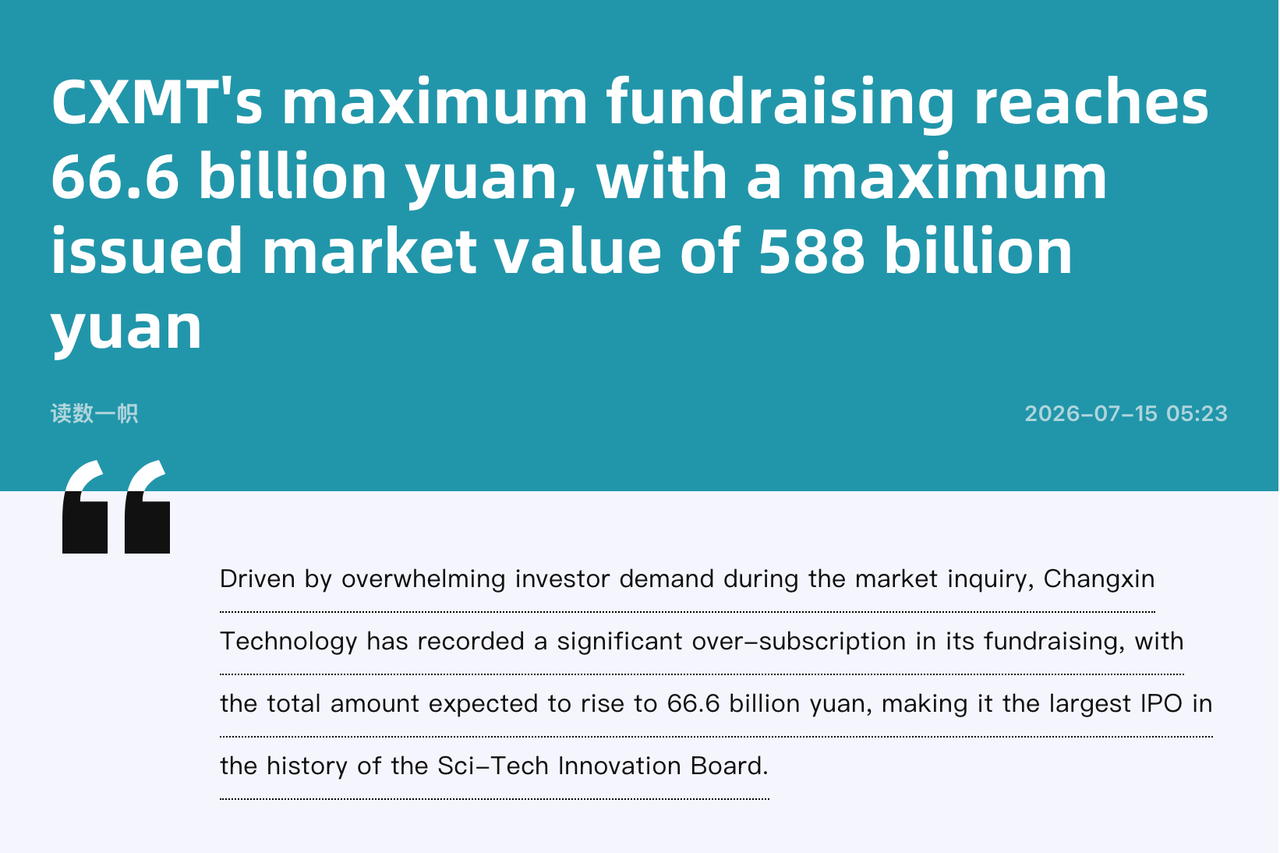
The company's listing on the Shanghai STAR Market is a landmark event for the global semiconductor industry. The offering has seen significant oversubscription, driven by overwhelming demand during the market inquiry phase.
How the CXMT Pre-IPO Perpetual Works
Traditional IPO access is heavily gated. Individual market participants on China's STAR Market typically face strict asset thresholds and trading experience requirements. Global participants face even higher barriers to entry for onshore Chinese equities.
The crypto derivatives market has solved this access problem through pre-IPO perpetual contracts. The CXMT contract provides synthetic price exposure to the company's expected valuation.
Because it is a derivative, trading the CXMT perpetual does not confer ownership, voting rights, or dividends. Instead, it allows traders to operate on the market-implied value of the shares using leverage.
HIP-3 and Builder-Deployed Perpetuals
The CXMT contract utilizes the Hyperliquid Improvement Proposal 3, which enables permissionless builder-deployed perpetuals. Under this system, qualified developers can deploy perpetual contract markets by staking a required bond.
Prior to the IPO, the contract is priced in the expected share price. The mark price is derived entirely from the internal orderbook, meaning the market itself functions as the oracle until the official listing. Post-IPO, the contract automatically converts to a standard externally-priced equity perpetual, tracking the live public market price of CXMT.
Understanding the 526% Premium
Early trading in the CXMT perpetual indicates massive speculative demand. On its July 15 launch day, the contract climbed from $6.00 to as high as $8.64. Applied to the expected post-issuance share count, an $8.00 price implies a valuation near $500 billion, a roughly 526% premium over the dollar equivalent of the official IPO price ($1.28).
While a 526% premium appears extreme, it is not entirely irrational within the context of pre-IPO derivatives. The premium reflects three primary forces:
- Access Scarcity: The perpetual is the only liquid, 24/7 instrument available globally for an asset that is otherwise inaccessible to most participants.
- Leverage Amplification: Perpetual contracts allow leveraged positions, which can amplify directional demand signals in a thin market.
- Forward Earnings Expectations: While the IPO price implies a trailing P/E of 308x based on 2025 earnings, CXMT's explosive Q1 2026 growth suggests forward multiples will compress rapidly. If annualized, the Q1 net profit implies the $500 billion valuation would trade at a much more reasonable forward multiple.
Two precedents are instructive. The Cerebras (CBRS) pre-IPO perpetual, launched 13 days before its Nasdaq listing, converged to within 1.3% of the cash open price. The SpaceX (SPCX) contract showed a different pattern: an early premium that compressed steadily as the listing date approached.

The Execution Framework
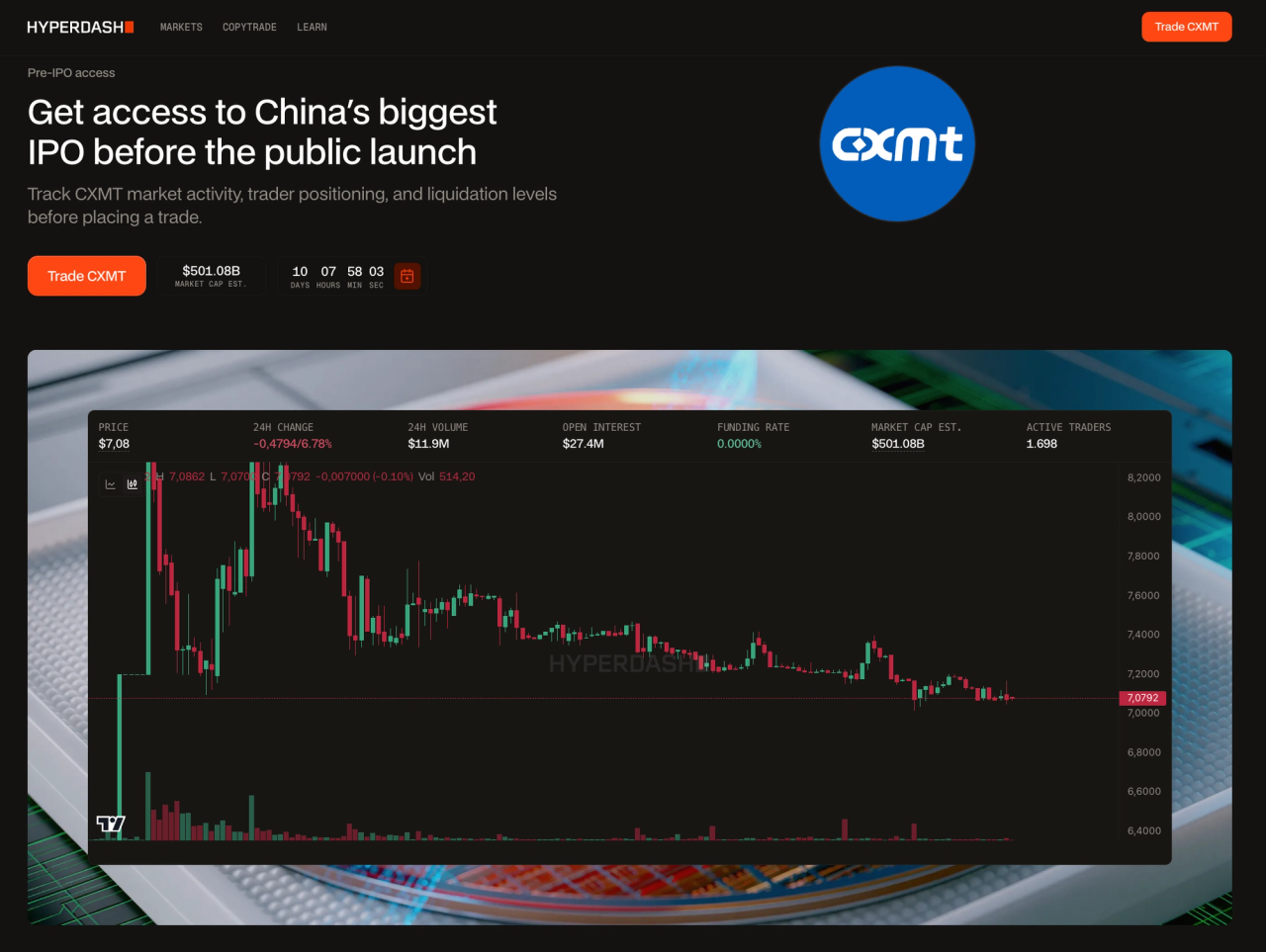
For traders looking to monitor this unprecedented price discovery, Hyperdash provides direct access to the pre-IPO market data. Tracking the real-time implied valuation, open interest, and funding rates directly on the CXMT asset page requires a specific execution framework.
1. Monitor the Spread and Premium Compression
The spread between the synthetic perpetual price and the official RMB 8.66 IPO price is the "access premium." As demonstrated by the SpaceX (SPCX) pre-IPO contract, early premiums often compress as the listing date approaches and reality anchors the speculation. Traders should watch for spread compression as the July 27 listing nears.
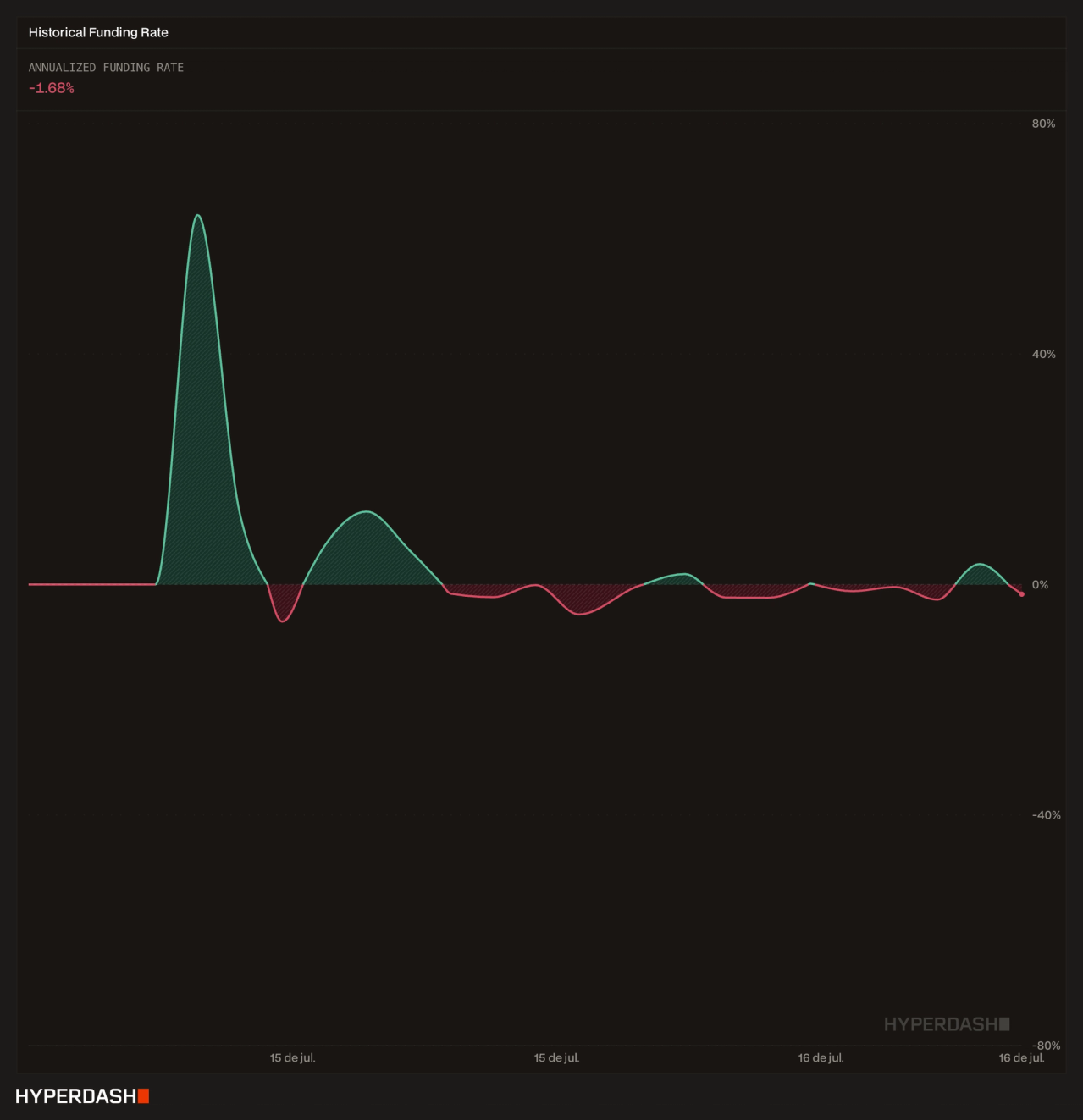
2. Analyze the Funding Rate Signal
Traders must account for the impact of overnight swap fees on leveraged positions. When the perpetual trades at a massive premium to perceived fair value, the funding rate is typically positive, meaning long position holders pay short position holders. Elevated funding rates represent a significant cost of carry for long positions. If the funding rate exceeds 0.1% per 8-hour epoch, the daily cost of holding a leveraged long becomes a critical factor in position sizing.
3. Track Open Interest (OI) Divergence
Rising open interest alongside rising prices indicates strong conviction. However, if prices rise while open interest falls, it may signal a short squeeze in a thin market rather than genuine fundamental demand. The Cerebras (CBRS) case study demonstrated that volume and open interest typically surge exponentially in the 24 hours immediately preceding the official listing.
4. Sector Comparables
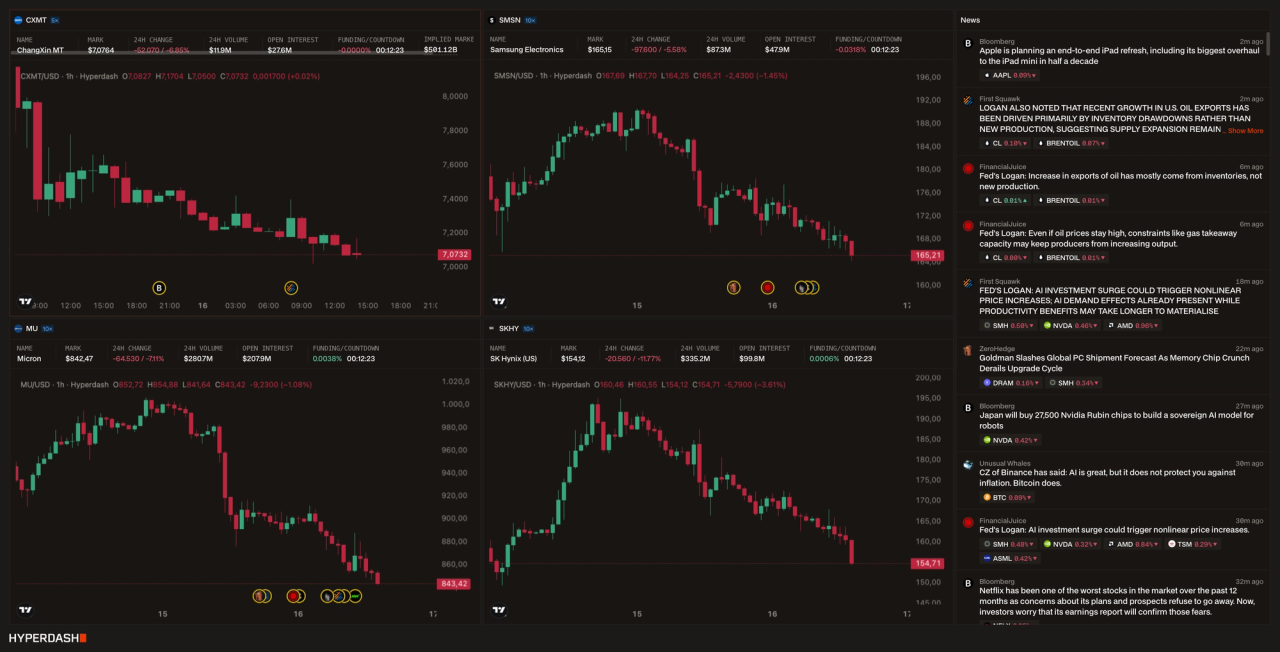
For broader semiconductor sector analysis, traders should compare CXMT's derivatives activity against established global competitors. Monitoring the valuation and momentum of peers like Micron (MU) provides a baseline for evaluating whether CXMT's implied $500 billion valuation is sustainable post-listing. The SemiAnalysis deep dive on CXMT's technology roadmap provides the most granular public analysis of the company's capacity trajectory.
Frequently Asked Questions (FAQ)
What is the CXMT IPO date?
ChangXin Memory Technologies (CXMT) is scheduled to list on the Shanghai Stock Exchange STAR Market on July 27, 2026.
Does trading the CXMT perpetual give me shares in the company?
No. The pre-IPO perpetual is a synthetic derivative contract. It tracks the market-implied price of the shares but does not provide actual equity, voting rights, or dividends.
What happens to the pre-IPO perpetual after the July 27 listing?
After the official IPO, active positions in the pre-IPO contract transition into standard stock-linked perpetual futures. The contract's oracle will update to track the live public market price of CXMT on the Shanghai STAR Market.
Why is the perpetual price higher than the official IPO price?
The perpetual market reflects real-time global speculative demand, access scarcity, and forward earnings expectations. It is currently pricing in a significant premium over the official offering price of RMB 8.66 per share.
Where can I track the CXMT pre-IPO perpetual?
You can monitor the CXMT pre-IPO perpetual, including real-time price, open interest, and funding rates, directly at the CXMT asset page on Hyperdash.
Disclaimer: This article is for informational purposes only and does not constitute financial, trading, or legal counsel. Trading perpetual futures and pre-IPO derivatives involves significant risk, including the potential for total loss of capital due to leverage and forced liquidations. Always conduct your own research before trading.