XAU Perps vs. Gold CFDs: The Better Asset for Traders

July 7, 2026
By Hyperdash
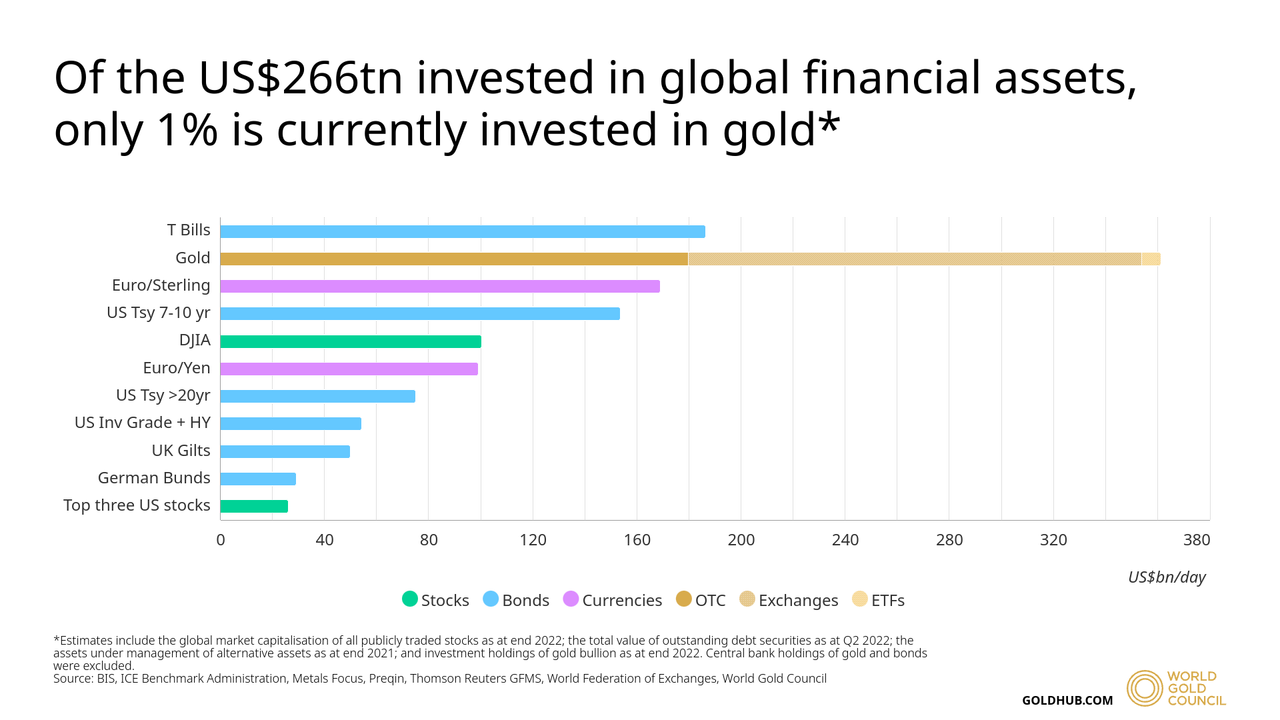
Global gold trading volume averages $361 billion per day, but the infrastructure retail traders use to access it is structurally broken.
Published
July 7, 2026
Author
Hyperdash
Reading time
6 min read
Category
Perps vs CFDs
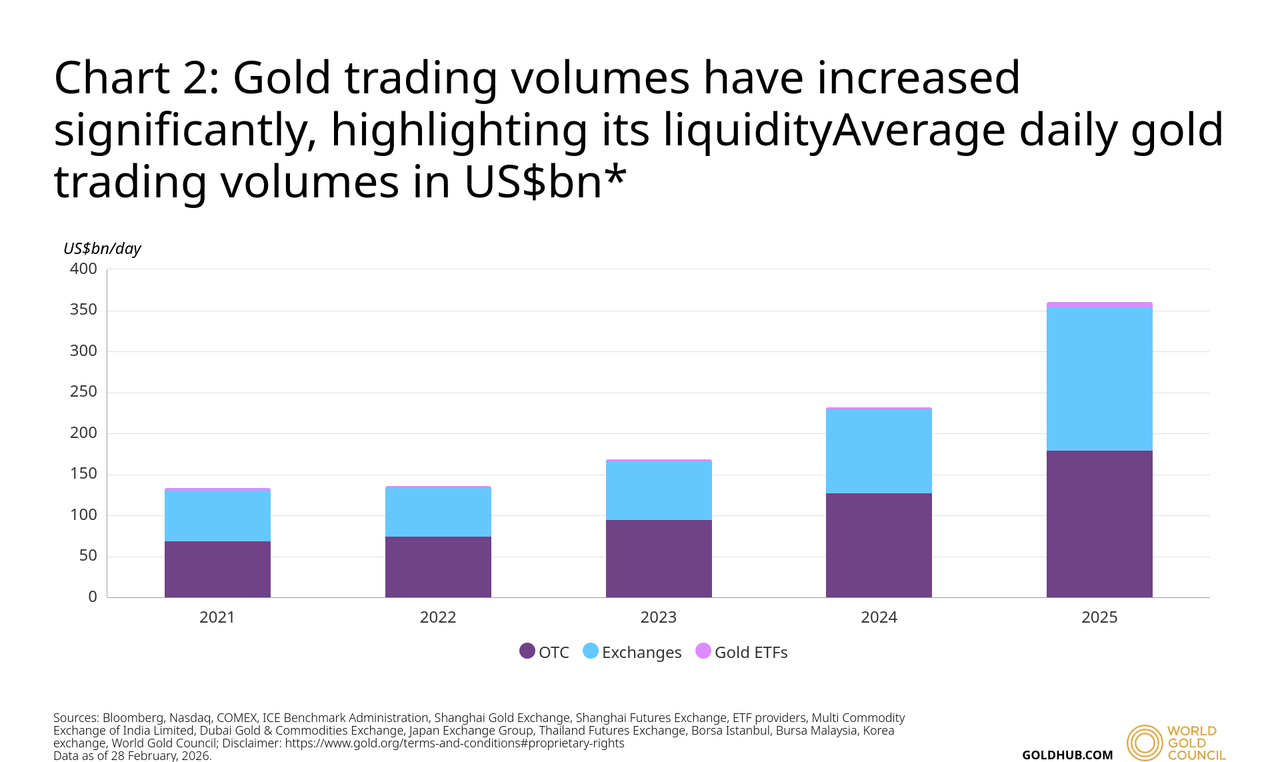
For decades, retail access to gold speculation has been dominated by Contracts for Difference (CFDs). Brokers offered leveraged exposure to XAU/USD, and in exchange, traders accepted a highly asymmetrical relationship: restricted trading hours, wide spreads, and punitive overnight financing fees.
That model is now being aggressively displaced. The rise of decentralized perpetual futures has created a parallel market structure that strips away the broker intermediary. In 2025, perpetual futures trading volume reached $61.7 trillion, and that liquidity is no longer restricted to crypto assets.
With gold prices surging past $5,400 per ounce in 2026, active traders are migrating capital from traditional CFD brokers to on-chain XAU perpetual futures. This is not a shift in asset preference; it is a structural upgrade in market access.
- XAU Perpetual Futures vs. Gold CFDs (Key Facts): Gold perpetual futures (XAU perps) are synthetic derivative contracts that track the price of gold without an expiration date. Unlike Gold CFDs issued by regulated brokers, XAU perpetuals trade 24/7 on decentralized protocols, carry no overnight financing fees, and are not subject to ESMA’s 1:20 leverage restriction for EU retail traders. As of mid-2026, XAU perpetual futures trade across 30+ venues with $5.01 billion in aggregate 24-hour volume and $1.55 billion in open interest.
The Cost of Carrying Gold: Swap Rates vs. Funding Rates
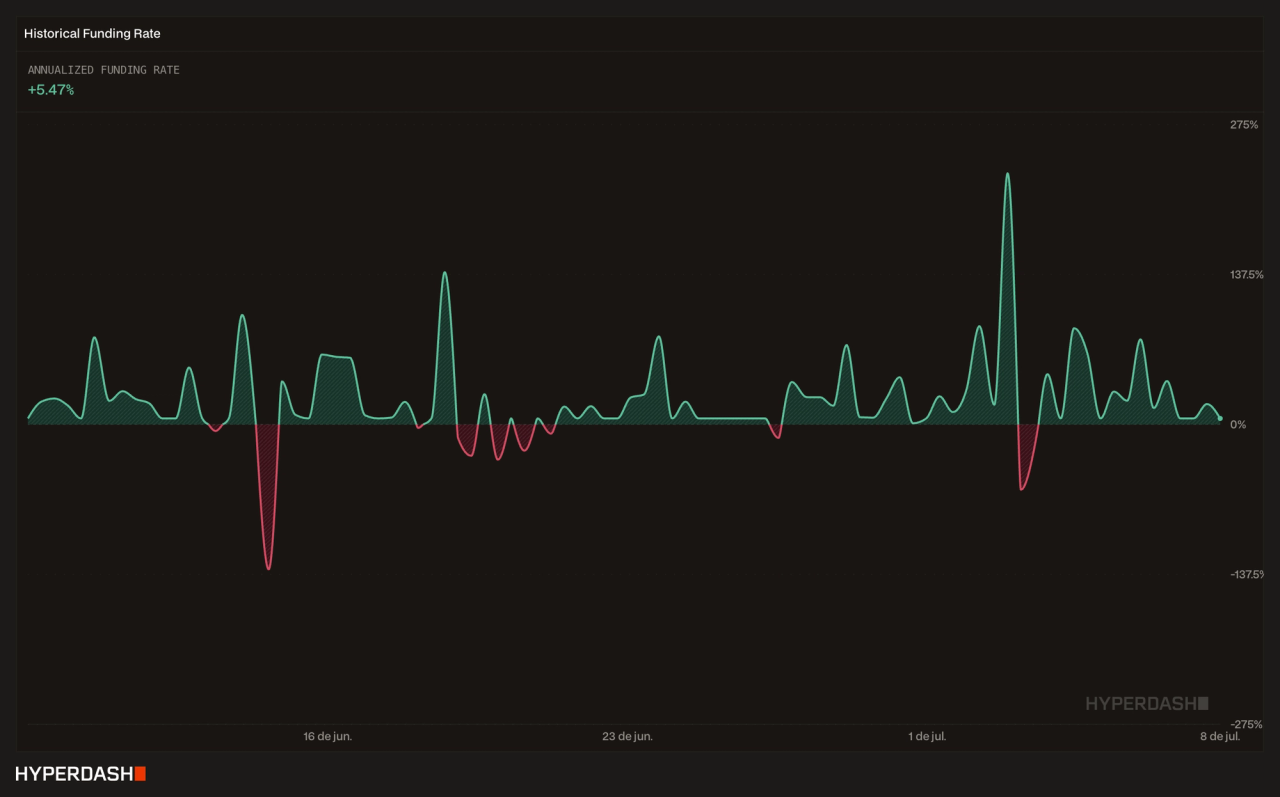
The most significant structural difference between a gold CFD and an XAU perpetual future is the cost of holding the position.
When you trade a gold CFD, the broker acts as your counterparty. Because they are extending leverage, they charge an overnight financing fee (often called a swap rate). The industry standard calculation for this fee is the benchmark interbank rate (like SONIA) plus an arbitrary broker markup of 2.5% to 3%.
In the current interest rate environment, holding a long gold CFD position can cost upwards of 7.5% to 8% annualized. If a trader holds $100,000 in leveraged gold exposure, the broker automatically deducts roughly $8,000 per year directly from the account balance, regardless of the trade’s performance.
Perpetual futures bypass this debt structure entirely. Because there is no central broker extending credit, there is no overnight financing fee. Instead, perpetuals use a peer-to-peer mechanism called the funding rate to keep the contract price tethered to the spot price of gold.
If the perpetual contract trades at a premium to spot gold, long position holders pay short position holders. If it trades at a discount, shorts pay longs. Over a long enough time horizon, these payments tend to net out near zero. Traders are paying each other to maintain market equilibrium, not paying a broker for the privilege of access. As we detailed in our CFDs vs. Perpetual Futures: The Complete Comparison, this peer-to-peer structure mathematically favors the trader over the long term.
- Gold CFD Overnight Financing Cost: A retail trader holding a leveraged long position in a Gold CFD with a UK or EU-regulated broker is charged an overnight financing fee calculated as the benchmark interbank rate (SONIA) plus a broker markup of 2.5% to 3%. At current interest rate levels, this equates to approximately 7.5% to 8% annualized. On $100,000 of leveraged gold exposure, this amounts to roughly $8,000 per year deducted directly from the trading account, regardless of whether the underlying gold position is profitable.
Breaking the Friday Close
The traditional gold market operates on a fragmented schedule. While institutional OTC trading in London drives the bulk of global volume, retail CFD brokers enforce strict trading hours, typically closing over the weekend and during major holidays.
This creates severe gap risk. If a major geopolitical event occurs on a Saturday, a CFD trader is locked out of their position. They cannot cut losses, take profits, or enter new trades until the broker’s platform reopens on Monday morning, at which point the price may have violently gapped against them.
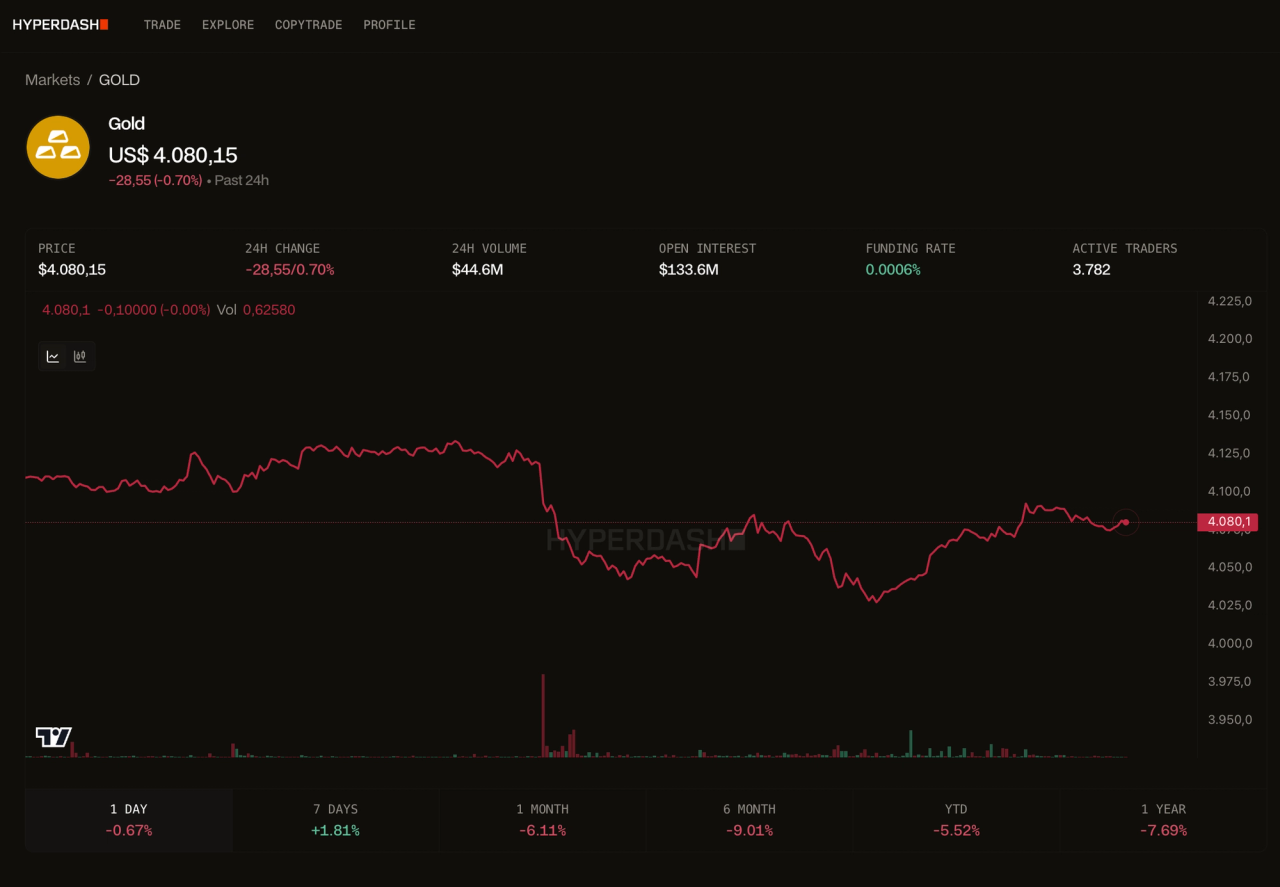
On-chain XAU perpetual futures trade 24/7/365. The blockchain does not observe bank holidays. This continuous liquidity allows traders to react to macroeconomic news in real-time, completely eliminating weekend gap risk.
- 24/7 Gold Trading via Perpetual Futures: On-chain XAU perpetual futures trade continuously, 24 hours a day, 7 days a week, 365 days a year, including weekends and public holidays. Traditional CFD brokers restrict gold trading to approximately 23 hours per weekday and close entirely over the weekend, creating gap risk when major macroeconomic or geopolitical events occur outside market hours. Perpetual futures eliminate this structural gap risk by design.
Leverage and Regulatory Arbitrage
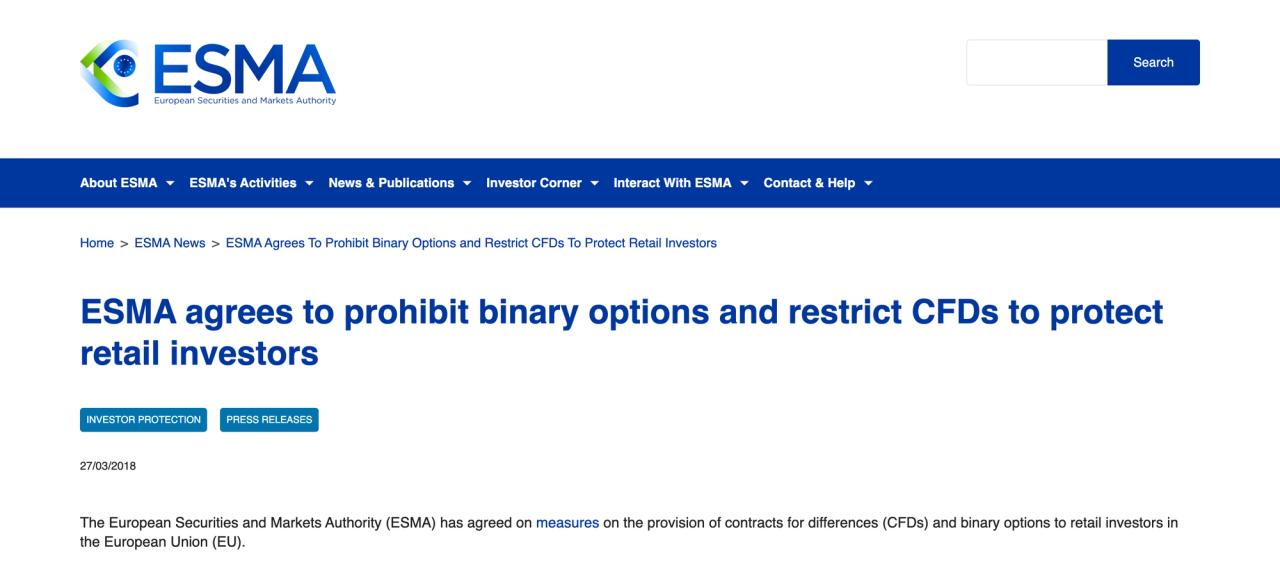
In 2018, the European Securities and Markets Authority (ESMA) implemented permanent product intervention rules that severely restricted retail leverage. Under these regulations, EU-based retail traders are capped at 1:20 leverage for gold CFDs.
While these rules were designed for retail protection, they effectively pushed sophisticated, undercapitalized traders out of the regulated European broker ecosystem.
On-chain perpetual futures operate outside this specific regulatory perimeter. Because they are non-custodial protocols accessed via self-hosted wallets, they do not fall under ESMA’s broker restrictions. Platforms like Hyperdash offer leverage up to 10x on XAU perpetuals.
“Perpetual futures completely bypass this structure. Short positions are created synthetically via open interest with no inventory and no risk of settlement failure.” — Amber Group Research
This freedom comes with a mandate for aggressive risk management. The absence of a broker means the absence of mandatory negative balance protection. A sudden price dislocation, such as the brief flash crash observed on Hyperliquid’s XAU contract in July 2026 due to thin holiday liquidity, will trigger deterministic, unappealable liquidations.
Tracking the Migration
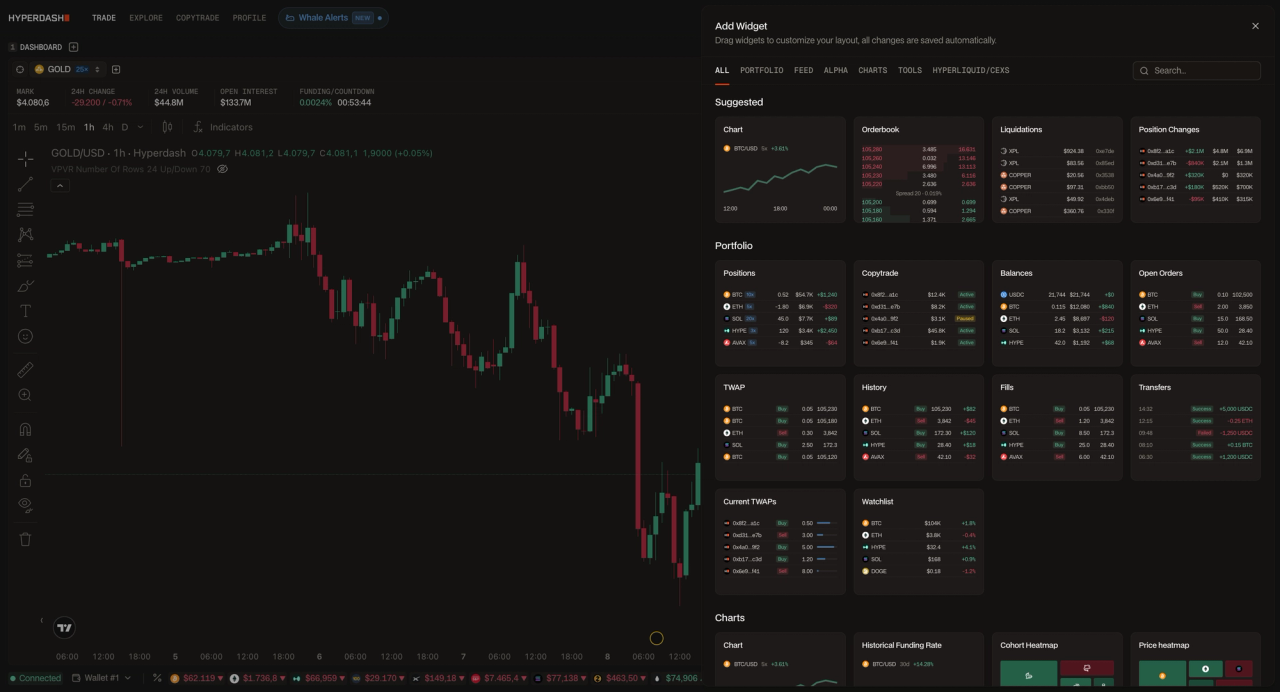
When trading highly leveraged synthetic assets, visibility into market positioning is critical. If you are trading XAU perpetuals, you have immediate access to the full Best Analytics and Trading Tools for Hyperliquid suite.
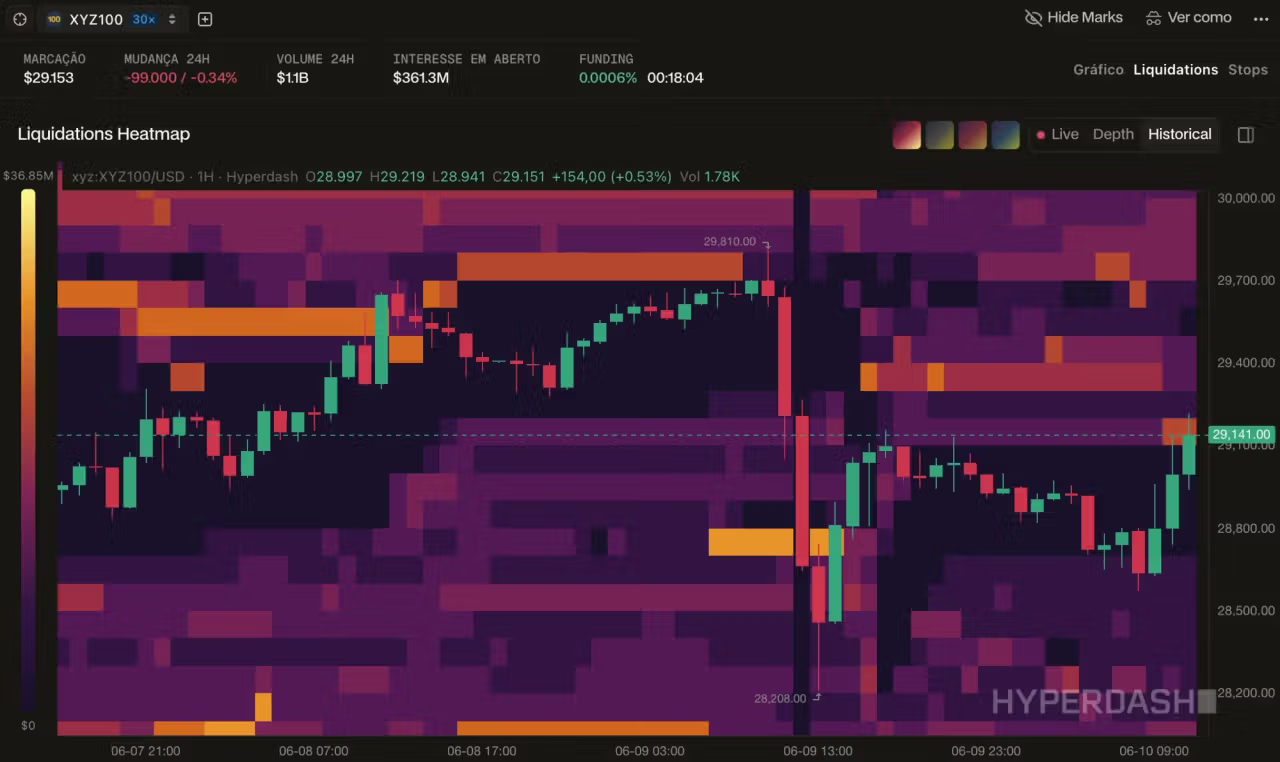
Before entering a leveraged gold position, check the liquidation heatmap. This tool visualizes exactly where other traders have placed their leverage, allowing you to see the precise price levels where cascading liquidations are likely to occur. In a 24/7 market, knowing where the trapped liquidity sits is often more valuable than knowing the macroeconomic trend.
Trading Without Borders
The migration from gold CFDs to XAU perpetual futures is the inevitable result of a more efficient technology replacing a legacy intermediary.
Traders are no longer willing to pay 8% annualized fees to a broker for synthetic exposure to an asset that can be traded peer-to-peer with zero financing markup. They are no longer willing to accept weekend market closures when geopolitical risk is highest.
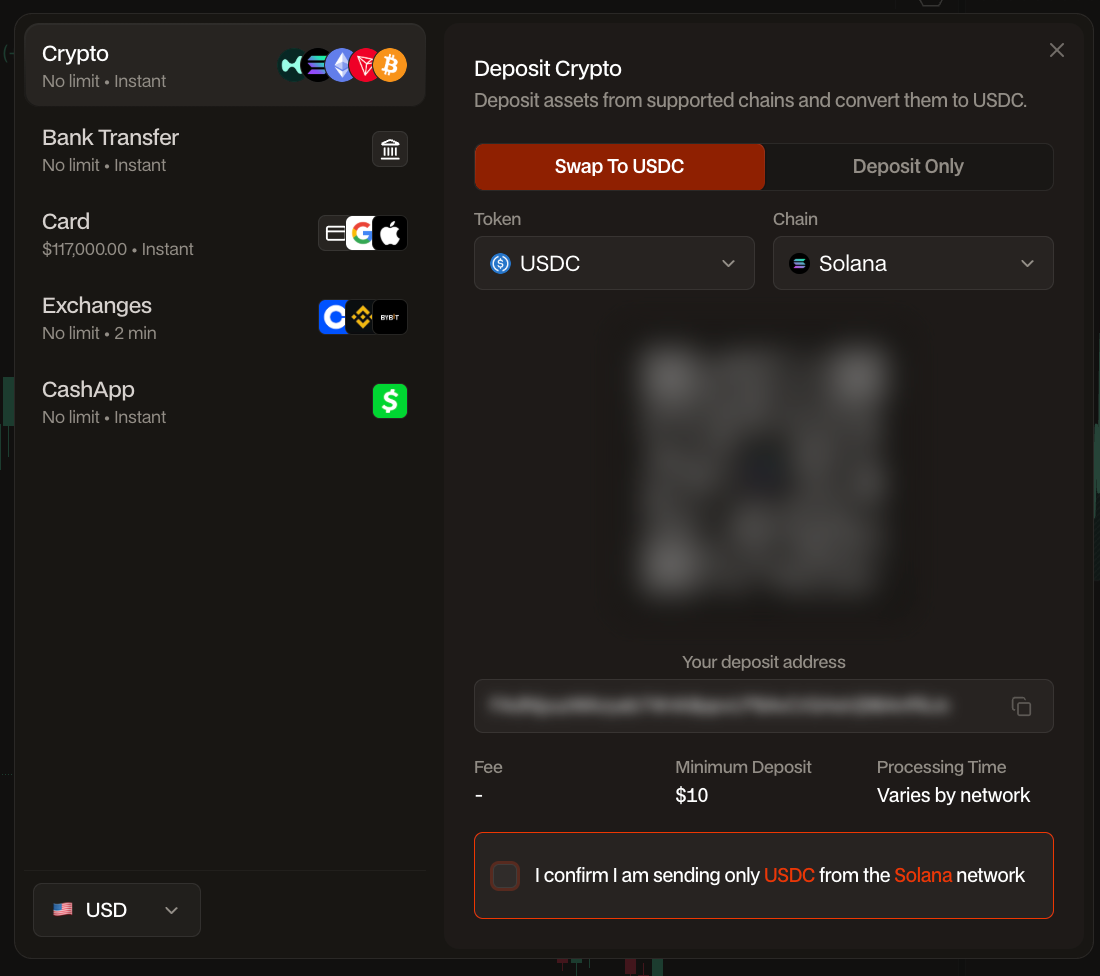
This is not about choosing a new broker; it is about abandoning the broker model entirely. For traders ready to make the transition, you can connect your self-custodial wallet and access directly on Hyperdash.
Frequently Asked Questions (FAQ)
What is the difference between a Gold CFD and an XAU Perpetual Future?
A Gold CFD is a contract between you and a broker, subject to broker fees, restricted trading hours, and regulatory leverage caps. An XAU Perpetual Future is a peer-to-peer synthetic contract traded on a decentralized protocol, offering 24/7 trading, no broker financing fees, and flexible leverage.
Do I have to pay overnight swap fees on XAU perpetuals?
No. Perpetual futures do not charge overnight financing fees (swap rates). Instead, they use a funding rate mechanism where long and short traders pay each other directly to keep the contract price aligned with the spot price of gold.
Can I trade gold on weekends with perpetual futures?
Yes. Unlike traditional CFD brokers that close over the weekend, on-chain XAU perpetual futures trade 24 hours a day, 7 days a week, 365 days a year, eliminating weekend gap risk.
What are the risks of trading gold on-chain?
Because on-chain perpetuals operate without a central broker, there is no negative balance protection. Leverage is self-managed, and sudden liquidity gaps can cause rapid liquidations. Traders must actively manage their own risk parameters.
Disclaimer: This article is for informational purposes only and does not constitute financial, investment, or legal advice. Trading perpetual futures and other leveraged derivative products involves significant risk of loss and is not suitable for all investors. Hyperdash provides analytics and trading terminal software; it does not take custody of user funds or act as a counterparty to trades.